From Tracey Humphrey’s class, the discussion surrounding the exclusion tracker and its implications for children and youth in various learning environments has been both eye-opening and thought-provoking. It is evident from our exploration that exclusion manifests in multifaceted ways, often stemming from a lack of access to technology, physical barriers, systemic challenges, and even social dynamics such as bullying. It is quite heartbreaking to be met by all of the ways students and children are excluded in the education system, and how lack of technology manifests into exclusion in the classroom. The examples provided, ranging from the lack of access to remote learning tools to being excluded from extracurricular activities due to various reasons, underscore the complexity of the issue. It is evident that addressing exclusion requires a comprehensive approach that involves collaboration among educators, families, and students themselves.
For me, one of the key takeaways from our discussion is the critical role technology can play in facilitating inclusion, especially during times like the COVID-19 pandemic when remote learning became the norm. However, it is still important to acknowledge that while technology can bridge certain gaps, it is not a universal solution. As highlighted in our conversation, some students may not respond effectively to tech-based solutions, emphasizing the importance of considering individual needs and preferences when addressing exclusionary practices.
The suggested steps for addressing exclusion provided a practical framework for intervention. Beginning with understanding IEPs and actively involving families and students in the process, we can gain valuable insights into the specific needs and challenges faced by each student. Moreover, the emphasis on assessment and resource availability highlights the importance of advocating for necessary support systems to foster inclusion. It was really important to me that we discussed where to start, as I remember my brother trying to get access to more technology to support his ADHD and his IEP in middle school, but it felt like such a tumultuous process that I have never had any idea where a teacher is supposed to begin when bridging this conversation and enacting action. I hope that we only continue to understand our students better and get more successful at individualizing support for them, specifically those who would benefit from technology and those who would not, as it is not a universal solution, but it can be a valuable piece in fostering inclusion.
One of the most poignant revelations from our discussion was the stark digital divide exacerbated by the COVID-19 pandemic. This crisis laid bare the inequities in access to technology, further marginalizing already vulnerable populations. As we navigate these challenges, it is imperative to remain cognizant of the limitations and biases inherent in relying solely on technology as a solution.
Moving forward, it is crucial for educators and stakeholders to adopt a holistic approach to addressing exclusion, one that prioritizes equity, accessibility, and the diverse needs of students. By fostering a culture of inclusivity and actively addressing systemic barriers, we can create learning environments where every child feels valued, supported, and empowered to thrive.
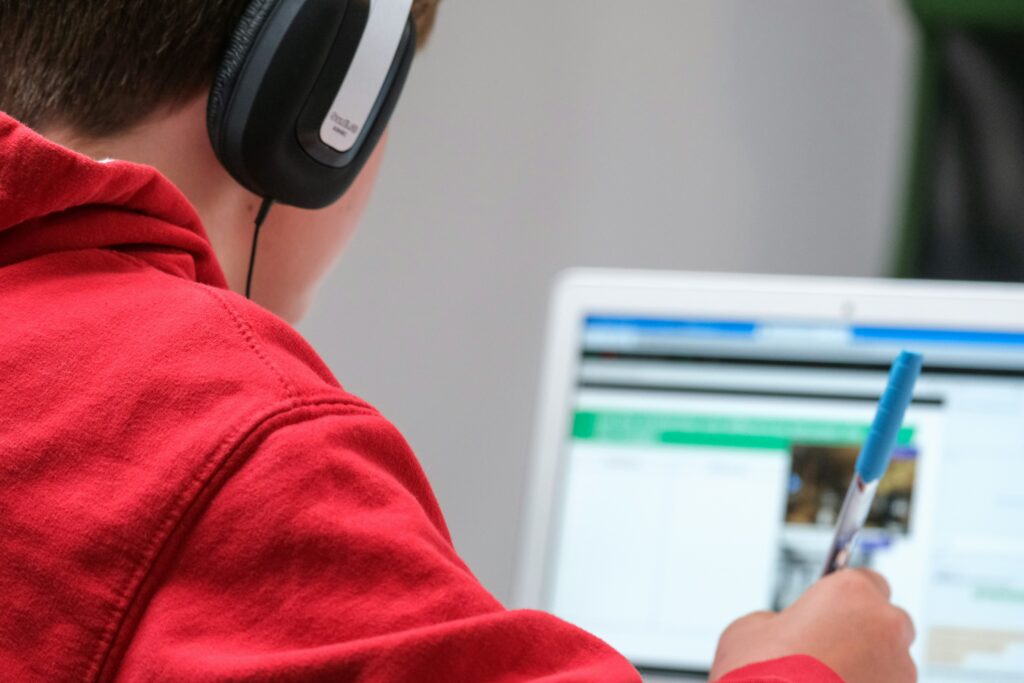
Photo by Compare Fibre on Unsplash
Leave a Reply
You must be logged in to post a comment.